Your heart is in your throat. One moment, your dog was sniffing at the edge of the yard.
Next, the gate is open, and he’s gone. You call his name until your voice is raw, your mind racing through every terrible possibility. This is the reality for thousands of families every day.
But for a growing number, this story has a happy ending and it almost always starts with a tiny device and one critical, often missed step: dog microchip registration with a national pet database.
Think you're covered because your vet implanted a micro chip for dogs? You’re only halfway there..
Understanding the gap between implantation and registration is the difference between a frantic, endless search and a life changing phone call from a shelter miles away.
This isn't just about technology; it's about creating an unbreakable tether between you and your pet, no matter what.
Let’s clear up the most common misconception in pet safety: getting your dog microchipped and registering that microchip are two separate actions. This gap is where countless reunions are lost.
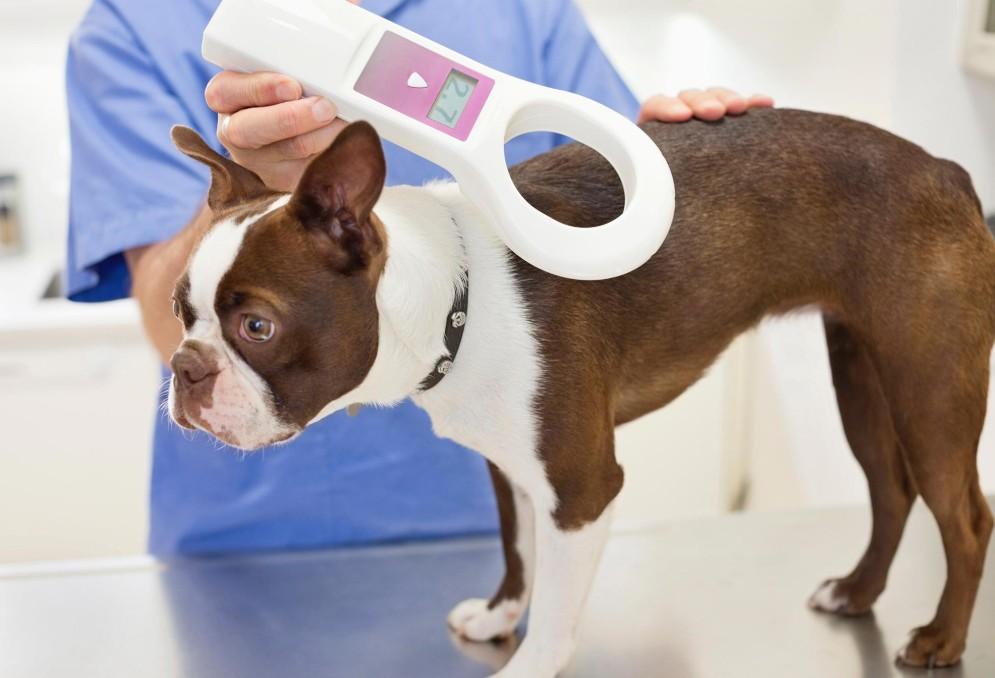
When you ask for dog microchipping, your veterinarian uses a pre-loaded syringe to implant the microchip between your dog’s shoulder blades.
It takes seconds, feels like a routine shot, and provides a permanent, unalterable ID number. This is a fantastic first step for pet identification.
This is the step that activates the system. Dog microchip registration is the process of you, the owner, taking that unique 15 digit number and linking it to your name, phone number, and address in a secure, searchable pets database.
Without this, the chip is just a number with no name attached.
The microchip is like buying a new phone. The registration is like activating a service plan and putting your contacts in it. A phone without service can’t make the call home.
Think of it this way: a collar says, “This dog belongs to someone.” A microchip says, “This dog belongs to you and here’s how we can prove it.”
That distinction is powerful. Families who’ve experienced the heartbreak of losing a pet often describe the moment of reunion as nothing short of miraculous.
A study published in the Journal of the American Veterinary Medical Association found that while microchipped stray animals were reunited with owners at a high rate, the success hinged on one thing: a registered, up-to-date microchip.
The animals with incorrect or missing information? They often ended up staying in the shelter or being rehomed.
At the National Microchip Registry (NMR), we see it all too often: a loving family, a chipped pet, but a broken link in the chain.
What makes microchipping unique is its permanence. Unlike tags that fade or GPS trackers that run out of battery, a chip is always there, waiting to be read.
That’s why our mission is to make the registration process so seamless and clear to make sure every dog’s story has a way back to the people who love them.
Microchipping is often described as a simple procedure, but what makes it truly effective is the system behind it.
When you bring your dog to a veterinarian or shelter for microchipping, the chip is implanted under the skin, usually between the shoulder blades.
It’s about the size of a grain of rice and doesn’t interfere with your dog’s daily life. The chip carries a unique ID number, but that number only matters if it’s linked to your details in a national pet microchip registration database.
When you look at it from this perspective, dog microchipping isn’t just about preventing loss, it’s about preserving belonging.
|
Scenario |
With Registration |
Without Registration |
|
Lost dog scanned at shelter |
Owner contacted |
No owner found |
|
Ownership transfer |
Easy update |
Confusion, delays |
|
National database visibility |
YES |
NO |
|
Recovery success rate |
High |
Low |
Learn how the NMR makes registration simple and accessible for every pet owner.
So, how does this actually play out in real life?
Let’s follow a hypothetical pup on his journey back to his family. This process demystifies how does microchipping a dog work from start to finish.
National Microchip Registry, NMR →
We built our system to eliminate these pitfalls. Lifetime registration means no surprise fees to maintain your pet's file.
See how easy it is to update your information in under 60 seconds →
Technology alone doesn’t reunite pets with their families,it’s the system behind it that makes the difference.
That’s where the NMR stands apart. While many services implant chips, it ensures those chips are connected to a secure, nationwide database that shelters, veterinarians, and breeders can rely on.
It’s recognized as one of the best pet microchip registry options for reliability. It supports dog microchip registration lookup tools that simplify ownership transfers. It helps breeders and sellers build credibility by ensuring every puppy sale includes a registered chip.
By choosing NMR, families aren’t just registering a chip, they’re investing in peace of mind.
For families welcoming a new puppy, safety isn’t just about vaccinations and food, it’s about identity. A registered microchip adds credibility to every puppy sale, showing buyers that the breeder or seller values long-term protection.
In fact, many states and adoption centers now expect puppies to come with a registered pet id chip, making it a standard of responsible ownership.
For sellers, offering puppies with registered microchips isn’t just a selling point… it’s a promise of care. For buyers, it’s peace of mind that their new family member is safeguarded.
The Microchip Check-Up: Next time you’re at the vet for a checkup, ask them to scan your pet’s chip. It ensures it’s still readable and in the correct location.
Q: How does microchipping a dog work?
A vet implants the chip, and you link it to your details in a pets database.
Q: What if I move or change my phone number?
Update your information in the animal chip registry to keep your dog’s ID current.
Q: Is microchipping required for puppy sales?
In many states, breeders and sellers are expected to provide puppies with a registered pet id chip, adding credibility and trust for buyers.
Q: I found a dog. How do I do a pet chip lookup or animal chip lookup?
Use the free lookup tool on our NMR.pet homepage. Enter the chip number, and it will direct you to the correct registry to report the found pet.
Q: What’s the real difference between a national pet microchip registration and other types?
A true national database is independent and accepts any brand of microchip. They are not tied to a single manufacturer.
Q: I’m searching for "dog microchipping near me." What type of place should I go to?
Most veterinary clinics offer microchipping dogs. Many animal shelters and humane societies also host low cost microchipping clinics..
Q: Is microchipping painful or dangerous for my dog?
The procedure is very quick and causes a momentary sensation similar to a standard shot. The chip is biocompatible (made of glass) and designed to stay in place for life.
Q: How do I get paper for my dog that proves microchip registration?
After you register pet microchip details, you should receive a confirmation email and a welcome letter with your pet’s digital profile. You can log in and print your pet’s certificate and profile page at any time.
Dog microchipping is an act of responsible ownership. Dog microchip registration is the act of love that makes that responsibility actionable.
It’s the promise you keep: "If we are ever separated, I have done everything in my power to bring you home."
Start protecting your pet today by registering with NMR →
Don’t leave that promise half kept. It’s the most important five minutes you’ll spend for their lifetime of safety.
Start protecting your pet today by registering your dog’s microchip with the NMR →
.